Flywheel - Okanagan - Not so big house - Sarah Susanka

Last weekend my wife and I decided that we would go check out some of the open houses in Westbank prior to taking the kids to the beach. Our first stop had two homes side by side backing onto a golf course. What caught my attention after the asking price of over $1.3 million! was the size of the homes + 3800 sq ft. I started thinking of the writings of American Architect Sarah Susanka's series of books "The Not So Big House". The average Canadian family is getting smaller and in the Okanagan there is large number of Baby Boomers downsizing as they move to the valley. So why build a big house, especially when you have to clean, heat and cool it. You can see others may be thinking the same with the glut of homes in the 3/4 quarter to one million dollar range.

Sarah educates the reader in the importance of hiring professionals who are trained in looking at the details that make a house a home. She also states that why not build smaller but put that money back into the finishes and truly build a masterpiece set apart from the large stock homes out there. Her design principles lead naturally to building towards sustainability and use of natural products for a healthier home.

If you are thinking of building new or renovating then I strongly suggest reading one or more of her books. http://www.notsobighouse.com
read more

Wednesday, July 23, 2008 0 comments

Ken Kunka - Proper design or proper planning

Proper design or proper planning is the key to any successful home building or renovation project. A few extra hours or days spent on the planning side will save you days or months in the construction phase. After getting a general understanding of the regulations of building it is important to understand your ultimate goal - why am I really doing this? Are you renovating to flip or are you thinking long term, maybe even your dream house. Knowing your "why" will get you through the tough times - and there will be tough times no matter what.

When thinking about design you should be thinking about four key elements:

1. Function

Understanding your ultimate purpose of your building project. Is this a long term goal or a quick update and flip? Will this project benefit you financially? Are there different ways to achieve the end result. Should you hire a professional to flesh out your ideas and needs.

2. Form

Mass and shape define form. Mass refers to the volume defined by a structure relative to its surroundings. Mass can be controlled by your surroundings, cost and local regulations. Shape is the composition and complexity of the surface planes. Shape can be controlled by cost and the materials proposed.
-
3. Materials

Both exterior and interior building materials should be selected based on upon their appropriateness for the building type, durability, impact on the environment, climatic conditions, code, cost, availability and the prevailing design and character of the installation.

4. Cost

Establishing a budget and securing proper financing. Knowing who to hire and what type of contracts. Understanding hidden expenses. Establishing a time line.


When to get help?

If you have been collecting articles and magazines but don't know how to put those ideas on paper or if you know little about construction, then seek out the help of a professional designer. If you have problems visualizing 3D form 2D drawings then seek the help of a professional. It is easier and cheaper to change your mind on paper then half way through your building project. Depending on the scale the project you could hire a student designer, draftsperson, contractor or an architect or interior designer. Keep in mind that you may also require the assistance of engineers or specialists depending on your local permit requirements or complexity of project. As a suggestion - if you are thinking of spending over $50,000 on a renovation then hire an engineer and unless your building a simple box home then always retain the services of an engineer. Most building departments have reduced building permit fees when a engineer(s) is on board.

Four other key notes to remember to designing

Investigate, Educate, Communicate and Coordinate.
read more

Tuesday, July 15, 2008 0 comments

Interior Design for Your Home

Interior design is the process of shaping the experience of interior space, through the manipulation of spatial volume as well as surface treatment. Not to be confused with interior decoration, interior design draws on aspects of environmental psychology, architecture, and product design in addition to traditional decoration (Wikipedia).

Interior Design - Home

Decorating a home is about finding a comfortable balance between the different furnishings in the space such as living room, dining room, bedroom, bathroom and kitchen. By reading my interior design articles, hope you will be able to put together an entire room or an entire home and have the design flow well throughout the home.

The common step for you to start interior design for your home are :

  • Choose either a theme or a color scheme

  • If you have been choosed some furniture or other decorations item to fill your house, then these items may have to set the color scheme for the room by selecting the paint color or wallpaper for the walls, After that time for you to focus on the floor. To get an idea about your floor, you can go to flooring stores. Otherwise, you can put carpet to make your design more beautiful and the room will look more put together also you will be able to see exactly where the decorations need to come into play within your interior design.

  • Decorate the walls of your space room

  • This will include such items as photographs, art, and also the window coverings. The window coverings become a major aspect of the interior design, choose your style and model according to your demand. The entire interior design of your room reflects your personal style and who you are as a person.
    read more

    Friday, November 9, 2007 0 comments

    Interior Design for Your Home

    Interior design is the process of shaping the experience of interior space, through the manipulation of spatial volume as well as surface treatment. Not to be confused with interior decoration, interior design draws on aspects of environmental psychology, architecture, and product design in addition to traditional decoration (Wikipedia).

    Interior Design - Home

    Decorating a home is about finding a comfortable balance between the different furnishings in the space such as living room, dining room, bedroom, bathroom and kitchen. By reading my interior design articles, hope you will be able to put together an entire room or an entire home and have the design flow well throughout the home.

    The common step for you to start interior design for your home are :

  • Choose either a theme or a color scheme

  • If you have been choosed some furniture or other decorations item to fill your house, then these items may have to set the color scheme for the room by selecting the paint color or wallpaper for the walls, After that time for you to focus on the floor. To get an idea about your floor, you can go to flooring stores. Otherwise, you can put carpet to make your design more beautiful and the room will look more put together also you will be able to see exactly where the decorations need to come into play within your interior design.

  • Decorate the walls of your space room

  • This will include such items as photographs, art, and also the window coverings. The window coverings become a major aspect of the interior design, choose your style and model according to your demand. The entire interior design of your room reflects your personal style and who you are as a person.
    read more

    0 comments

    Interior Design for Dining Room

    Dining room is a formal room dedicated to the serving of meals or eating. Now, We'll talk about how to get and create beautiful and nice Interior design for dining room.

    A dining room can be such a fantastic place to entertain, but it can easily be underused if you often eat in the kitchen or in front of the telly instead. Ever wondered why the red color is a popular color for design of restaurants and dining rooms? It's easy to be answer, because it stimulates the appetite. Other colors to get your mouth watering are orange and yellow.


    When you make design for your dining room, the dining table and chairs are also very important as a central feature. Antique tablecloths and dresses can be cut up to make colorful napkins, and the napkins should be folded neatly and placed in the center of each setting. You can choose from many selection or style of dining room furniture sets.


    A dining rooms should be light and airy, try to make the most of natural light. If the room is naturally dark, have pale or neutral blinds rather than curtains on the windows, which will only block the light even more.

    Other important thing to create your design look great is if you can put some accessories, because it will add your dining room overall beauty and utility.
    read more

    0 comments

    Interior Design for Dining Room

    Dining room is a formal room dedicated to the serving of meals or eating. Now, We'll talk about how to get and create beautiful and nice Interior design for dining room.

    A dining room can be such a fantastic place to entertain, but it can easily be underused if you often eat in the kitchen or in front of the telly instead. Ever wondered why the red color is a popular color for design of restaurants and dining rooms? It's easy to be answer, because it stimulates the appetite. Other colors to get your mouth watering are orange and yellow.


    When you make design for your dining room, the dining table and chairs are also very important as a central feature. Antique tablecloths and dresses can be cut up to make colorful napkins, and the napkins should be folded neatly and placed in the center of each setting. You can choose from many selection or style of dining room furniture sets.


    A dining rooms should be light and airy, try to make the most of natural light. If the room is naturally dark, have pale or neutral blinds rather than curtains on the windows, which will only block the light even more.

    Other important thing to create your design look great is if you can put some accessories, because it will add your dining room overall beauty and utility.
    read more

    0 comments

    Interior Design for Living Room

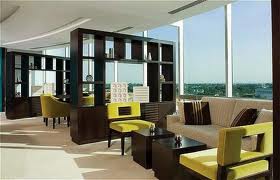
    Living rooms are mostly used with a family to sit together in which the family lived - multi-functional space for relaxing, watching television, reading, listening to music and entertaining guests. Interior Design or Interior Decorating idea for living room are base on the room size, kind of use, and also how much the budget was plan.

    There are some of design model for living room such as formal living room, modern living room and standard living room. Interior design for formal living rooms and modern living room usually use rich and more expensive material and a strict symmetry, and also may use bright spicy colors and variety of textures to create unusual look.


    Bellow are some tips to help you how to start design or decorate your living room ;
    1. Determine design style or layout your living room.
    See as much as possible home decorating magazines such as Asian design style, Europe design style, Franch design style, then decide which one you like. You can mix them to create a style that is your own.

    2. Choose a beautiful or nice color for the wall.
    Many people shy away from saturated colors, but these are the very hues that can make a dramatic statement about your personality. A bold wall color for your living room it will make spice up your space then the other rooms, You can use accessories to tie the color into the rest of the room.

    3. Antique or unique furniture for living room
    Try to choose matching color between the wall and your furniture items, so the room will look like beautiful and nice.

    4. light for your living room
    Make sure your lighting is adequate, but not overpowering. Don’t use florescent lights as they are very harsh, and a living room is all about mood. Another lighting aspect that is often overlooked is the use of candles, there are many of candles and holders in different colors and sizes to help achieve your living room decorating ideas.

    5. Art & Accessories for your living room
    By putting art on your walls to bring the room together and adds a personal touch, choose painted canvases which can make them look great all on their own, or a framed print in shades that compliment your color scheme. Other thing you can put your family pictures, some accessories you can add them around the corner of living room.

    Start to re-design your living room now, make your self and your family members enjoy to stay on your own home.
    read more

    Thursday, November 8, 2007 0 comments